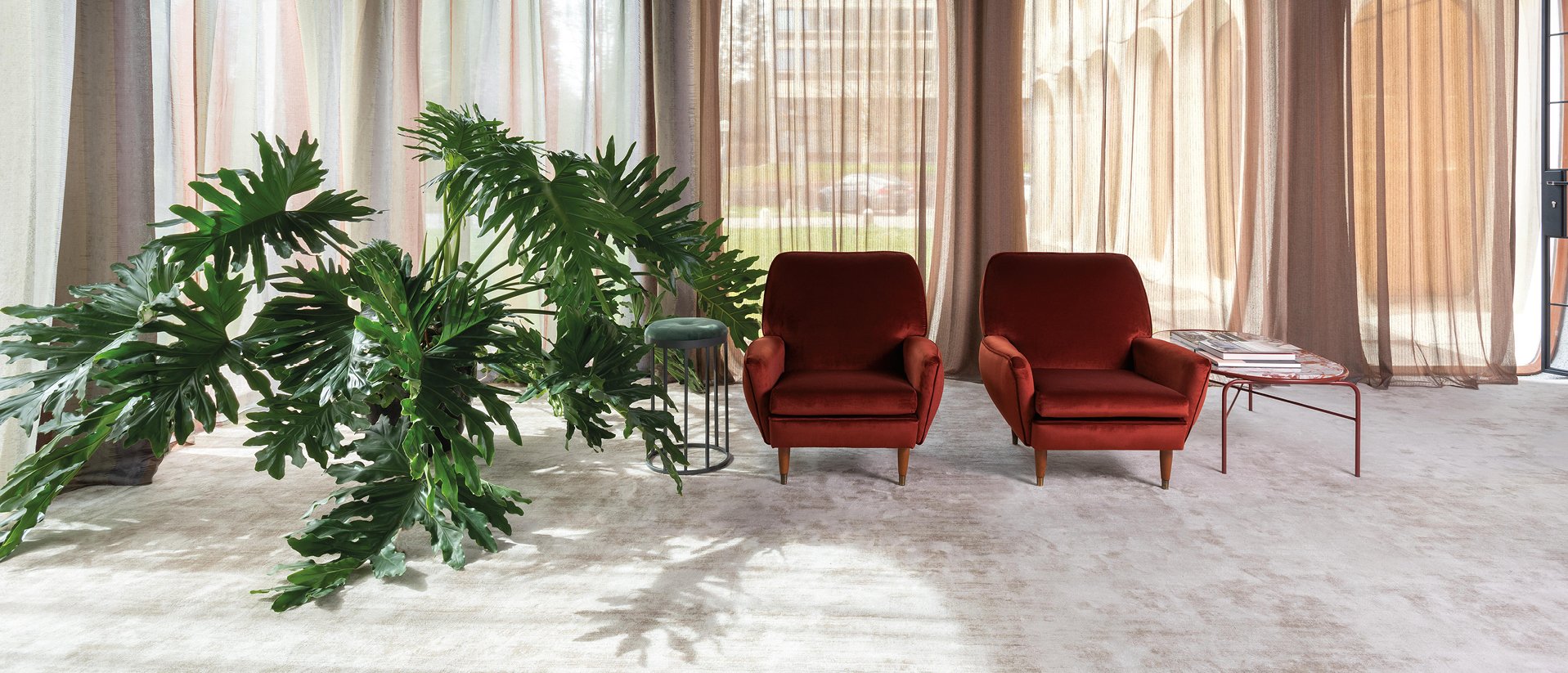
Bringing nature inside: The power of biophilic interior design
May 26, 2025
by Home Fabrics
In a world where urban living often separates us from nature, biophilic interior design is becoming an essential trend, reconnecting homes with the natural world. Biophilia is the innate human connection to nature and living things. Rooted in this concept of biophilia, biophilic design integrates natural elements - like plants, natural light, organic materials, and water features - to create calming, restorative spaces that enhance well-being.
Why biophilic design matters
Studies show that exposure to nature, even within indoor spaces, can reduce stress, improve focus, and boost overall well-being. It's no wonder South Africans are so jovial - our easy access to nature and general love of the outdoors allows us to relax outdoors and be inspired.
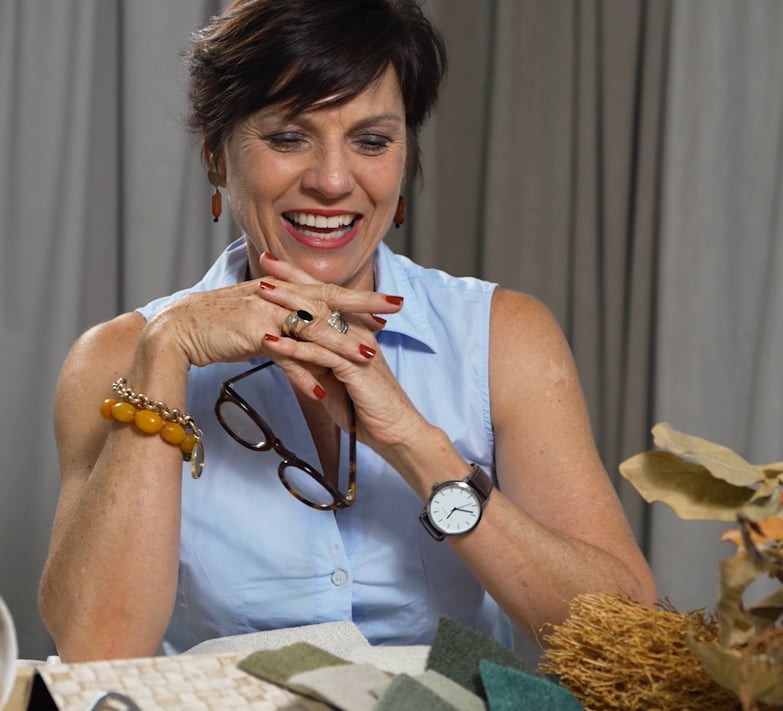
Biophilic interiors foster a sense of tranquility, making them particularly relevant in today’s fast-paced, technology-driven world. By integrating natural elements into interior spaces, designers can craft environments that promote relaxation and creativity while maintaining an aesthetic that is both sophisticated and inviting. Interior designer Tracy Kelly of Tracy Kelly Design is well-known for taking inspiration from nature. Her work has helped create incredible spaces for luxury game lodges and hotels that bring the beautiful African outdoors inside and elevates it to a decor aesthetic that is refined, elegant, yet comfortable. It is reflecting on this type of gorgeously organic design that we can see why biophilic design matters.
Bringing the outdoors inside with fabrics
Botanical prints & organic motifs
Earthy & natural tones
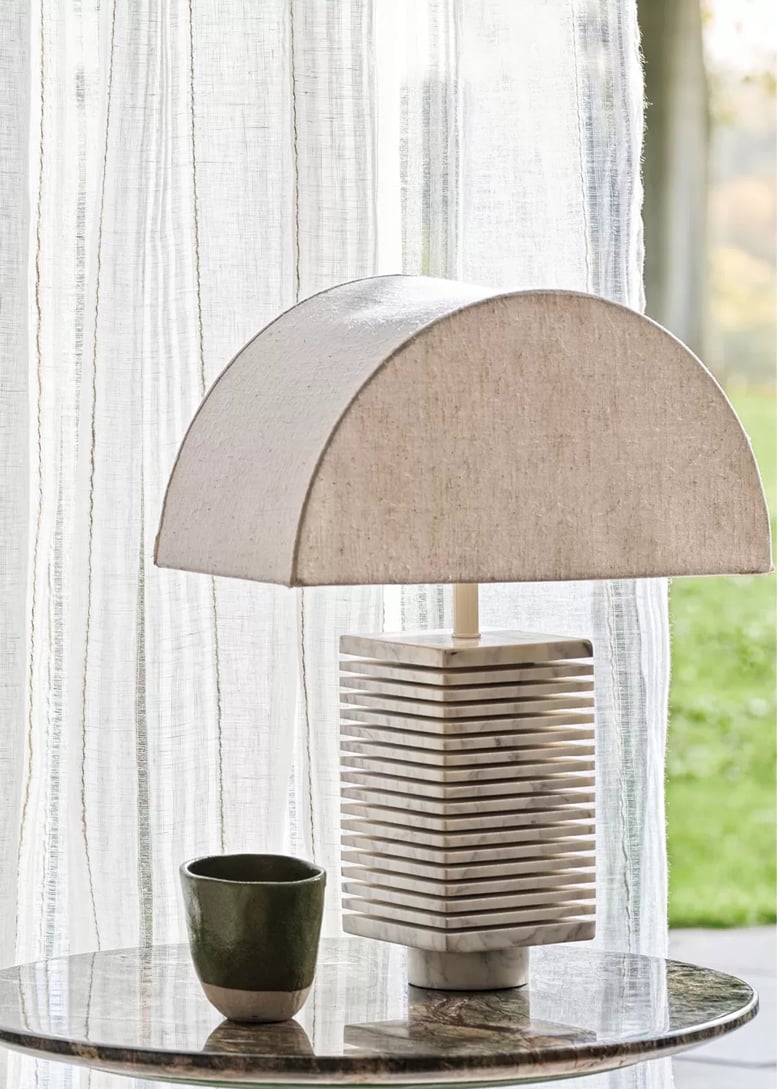
Light & airy sheer fabrics
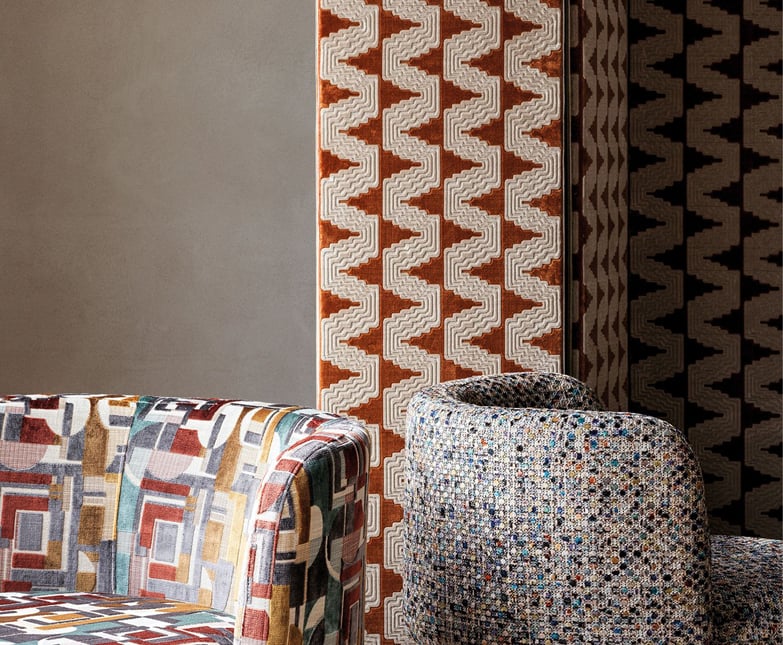
Textural layers inspired by nature
Complementing biophilic design with natural materials
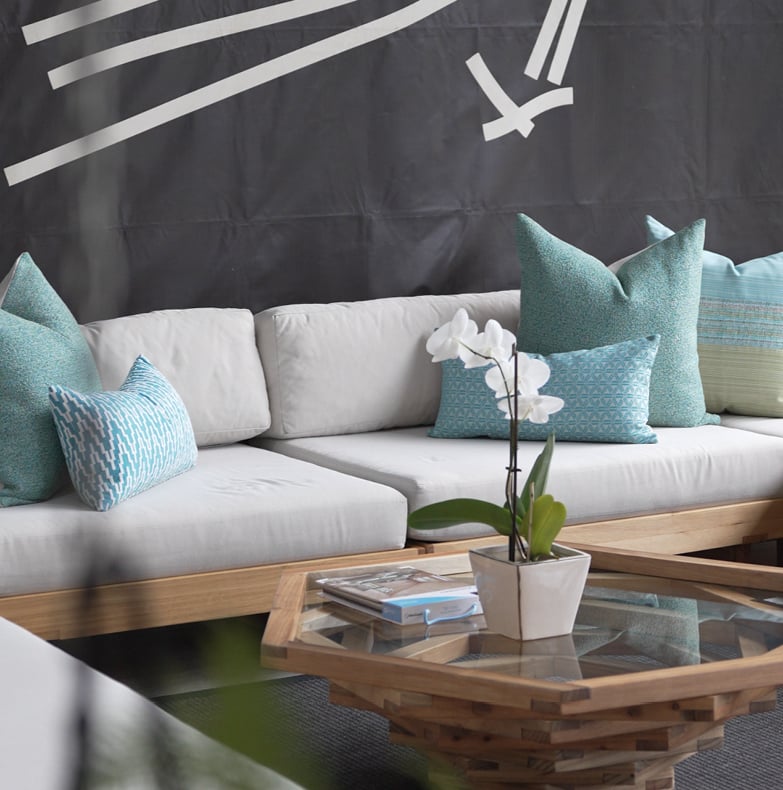
Creating a serene, nature-inspired space
For those looking to embrace biophilic design in their homes, here are some tips to curate a tranquil, nature-infused environment:
- Layer natural textiles: Mix and match different fabric textures—such as soft sheers, woven linens, and plush velvets—to create depth and visual interest.
- Maximise natural light: Use sheer drapery like the Taranto collection to allow soft light to filter through, enhancing a sense of openness.
- Incorporate greenery: Indoor plants, vertical gardens, or floral arrangements reinforce the biophilic concept while purifying indoor air.
- Opt for organic shapes & patterns: Whether in fabric choices, furniture, or décor accents, organic forms create a sense of fluidity and movement, mirroring the natural world.
- Choose sustainable, natural materials: Wooden furniture from brands like Homewood, combined with high-quality fabrics, fosters a deeper connection with nature.
Biophilic interior design is more than just a trend. It’s a lifestyle shift towards creating spaces that nurture both the body and mind. By incorporating nature-inspired fabrics, sustainable materials, and organic elements, interiors become soothing retreats that enhance daily living. There is loads of inspiration in our Biophilic Design Pinterest board - it could be the spark you need for your next design project! Whether through botanical prints, earthy hues, or soft sheers that let in natural light, the power of biophilic design lies in its ability to bring the essence of nature indoors, transforming homes into spaces of harmony and renewal.
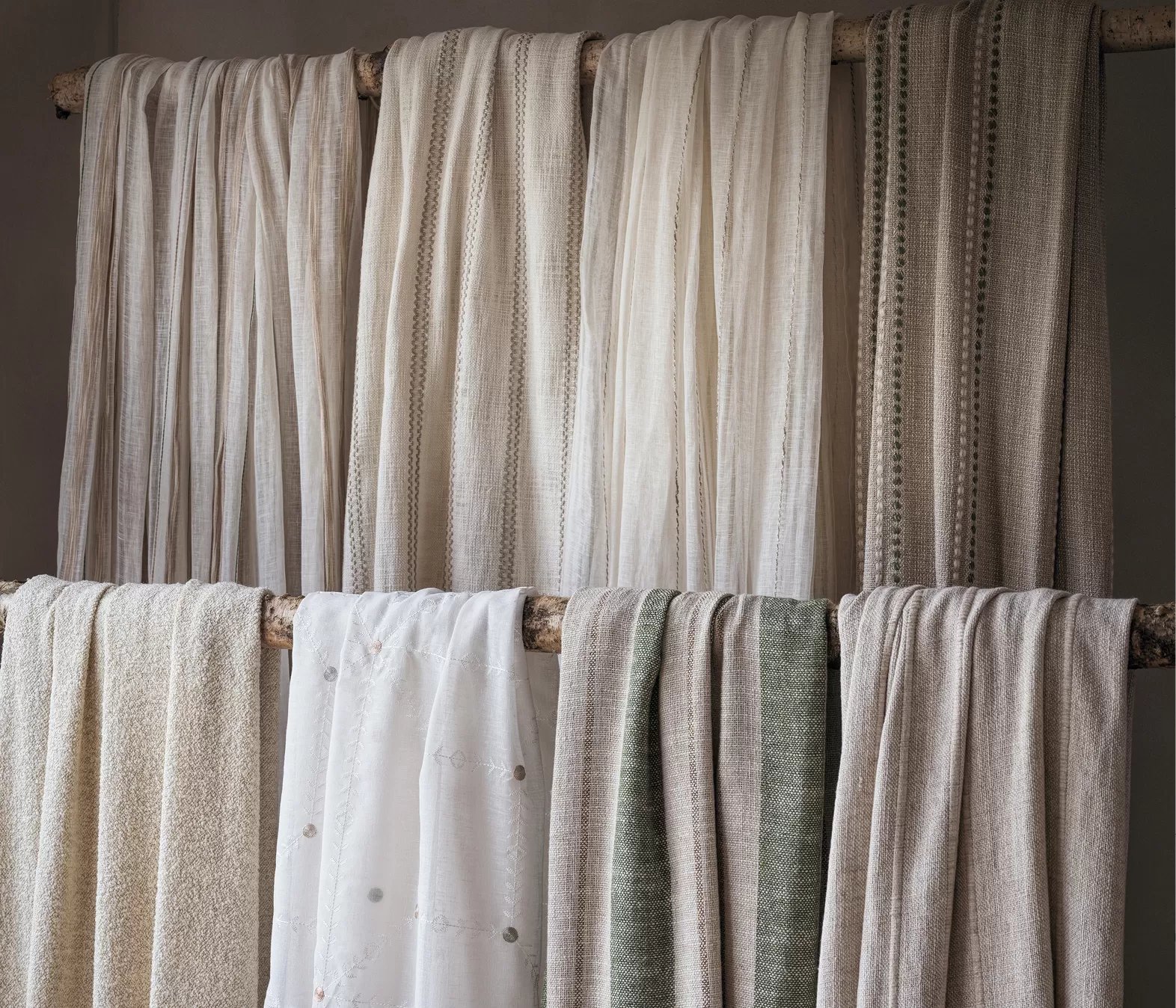
Shop the look
Here are some of our favourite fabrics featured in this article, and where you can buy them.
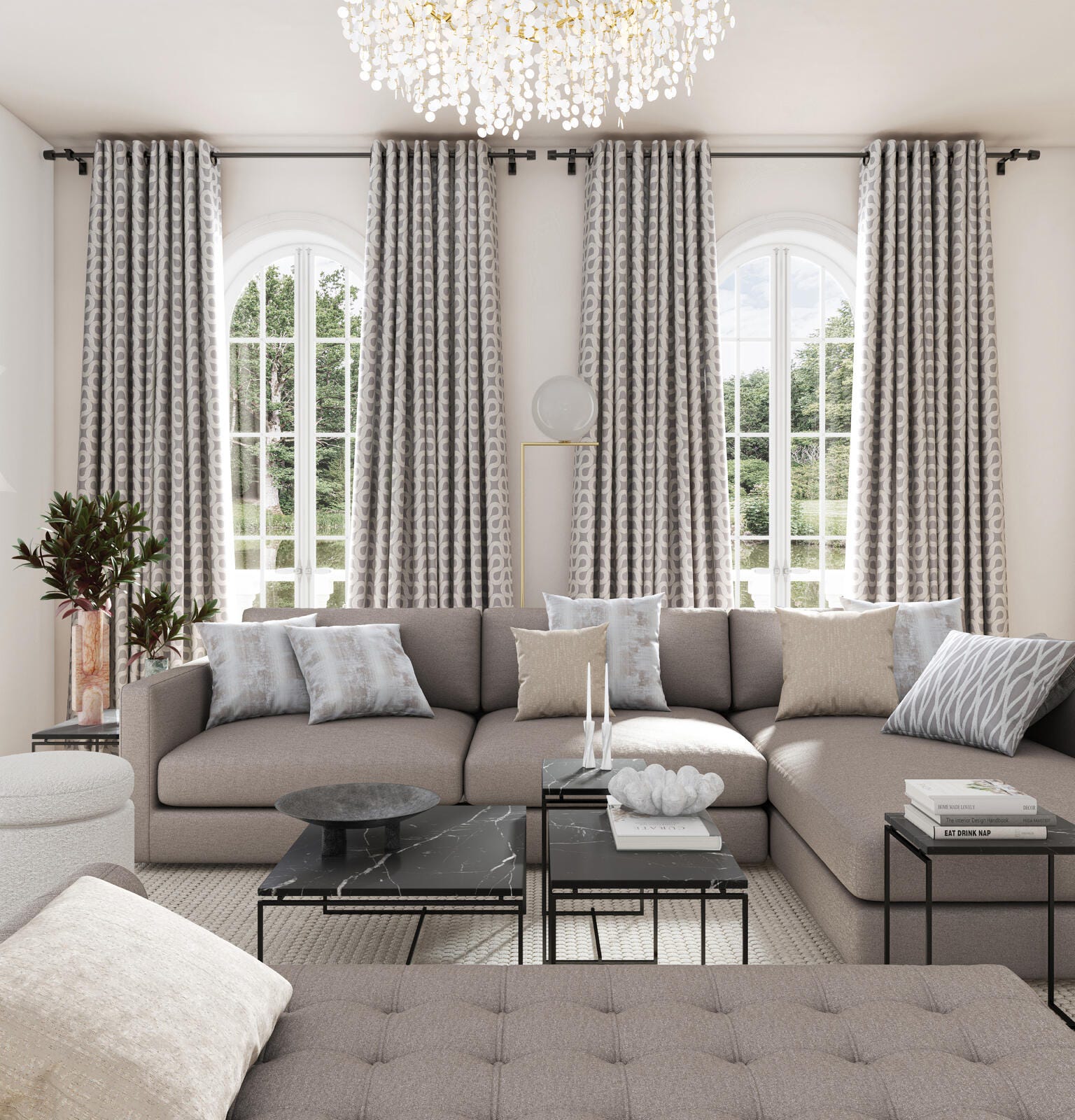
Shop the look
Here are some of our favourite fabrics featured in this article, and where you can buy them.
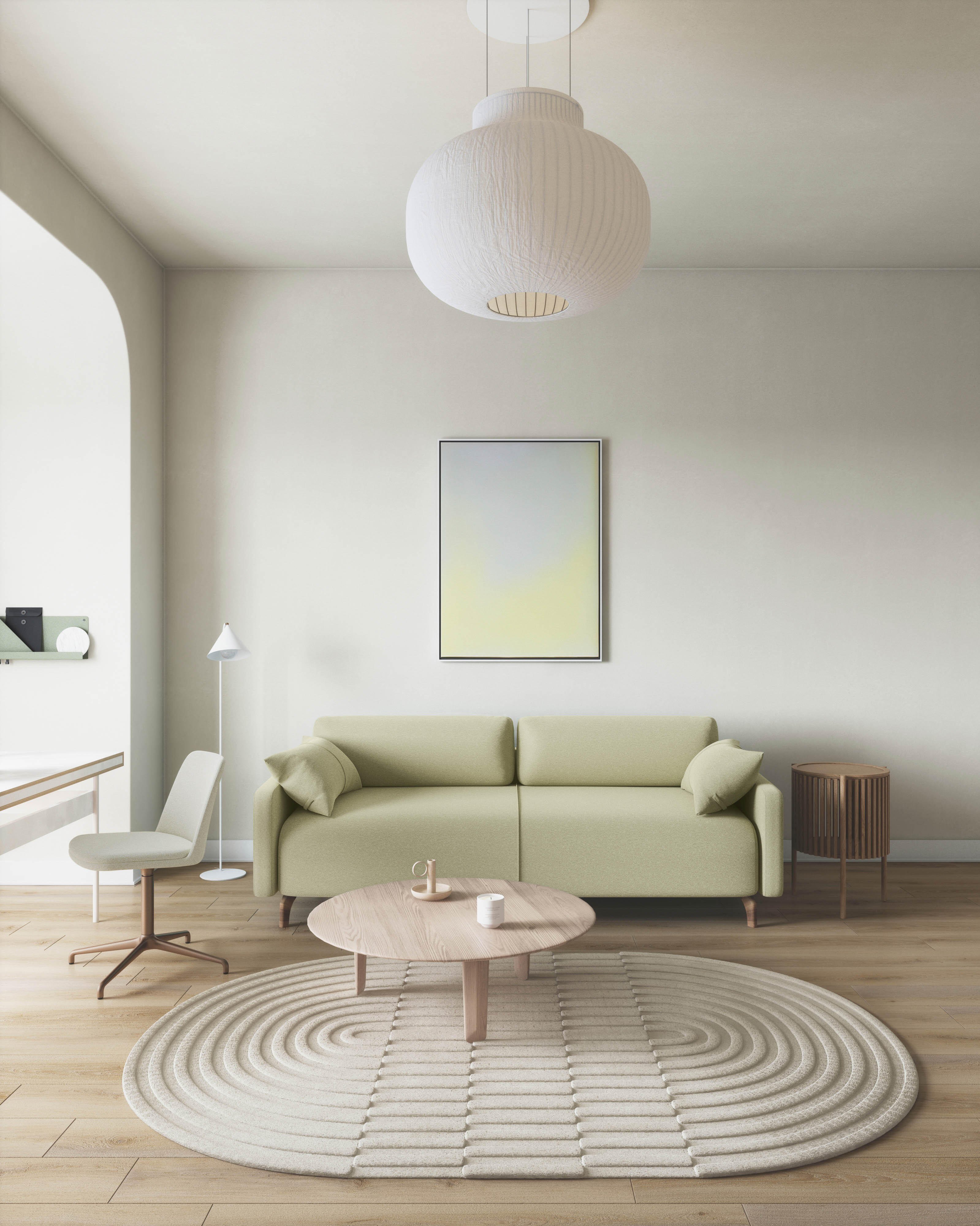
Shop the look
Here are some of our favourite fabrics featured in this article, and where you can buy them.