close
01_HF_Article_The hidden cost of fast interiors_Apr2025_Image0

The hidden cost of fast interiors: Why investing in sustainable fabrics matters

April 14, 2025

by Home Fabrics
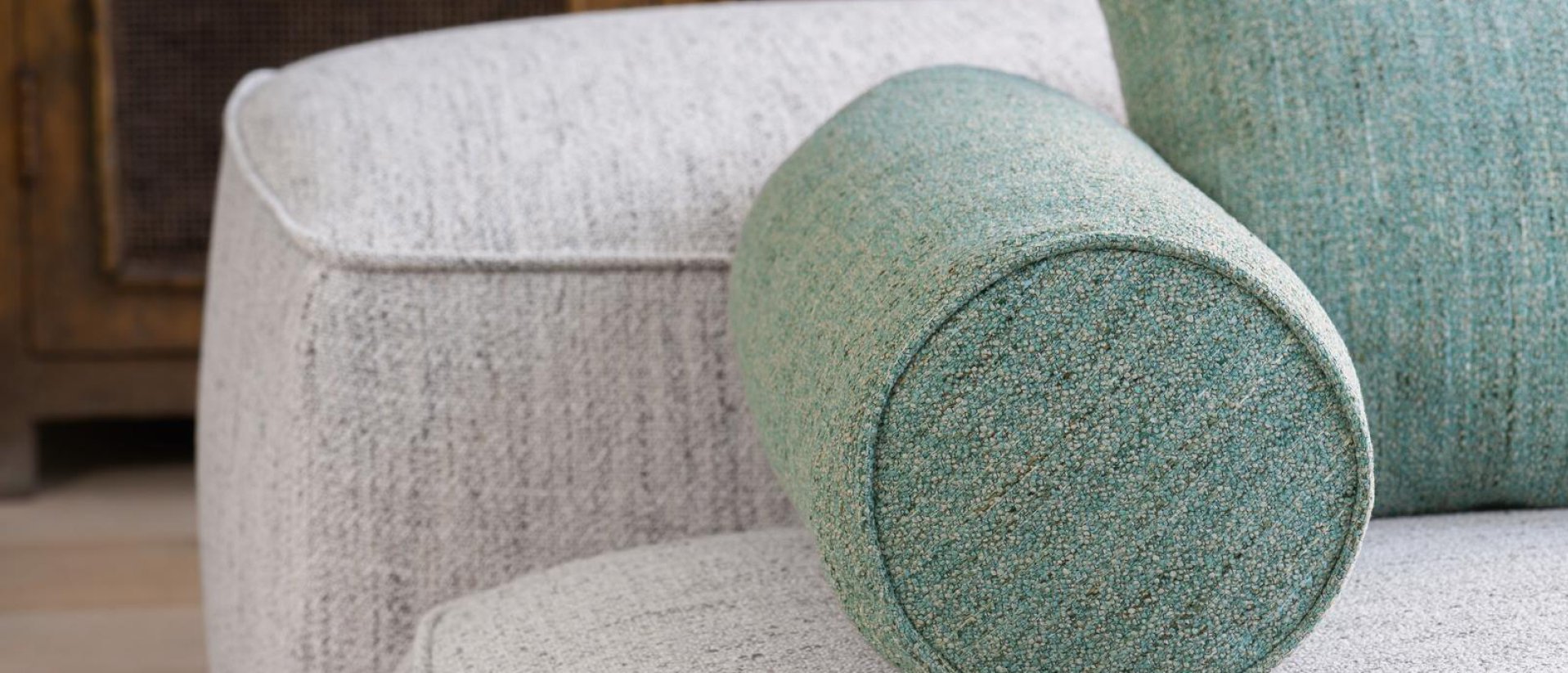
In an era of fast fashion and mass production, the trend has extended into home interiors - offering quick, inexpensive solutions that promise style on a budget. But just like fast fashion, fast interiors come with a hidden cost. Fabrics produced without quality certifications or lower quality yarns may seem appealing at first, but they often lack durability, fade quickly, and contribute significantly to environmental waste.
 
Investing in sustainable furnishing fabrics is not just a choice for the planet; it’s a decision that ensures longevity, quality, and timeless appeal in your home. Let’s explore why sustainable fabrics are the smarter option and why cutting corners with lower cost alternatives can be more costly in the long run.
01_HF_Article_The hidden cost of fast interiors_Apr2025_Image02

The downside of cheap, mass-produced fabrics
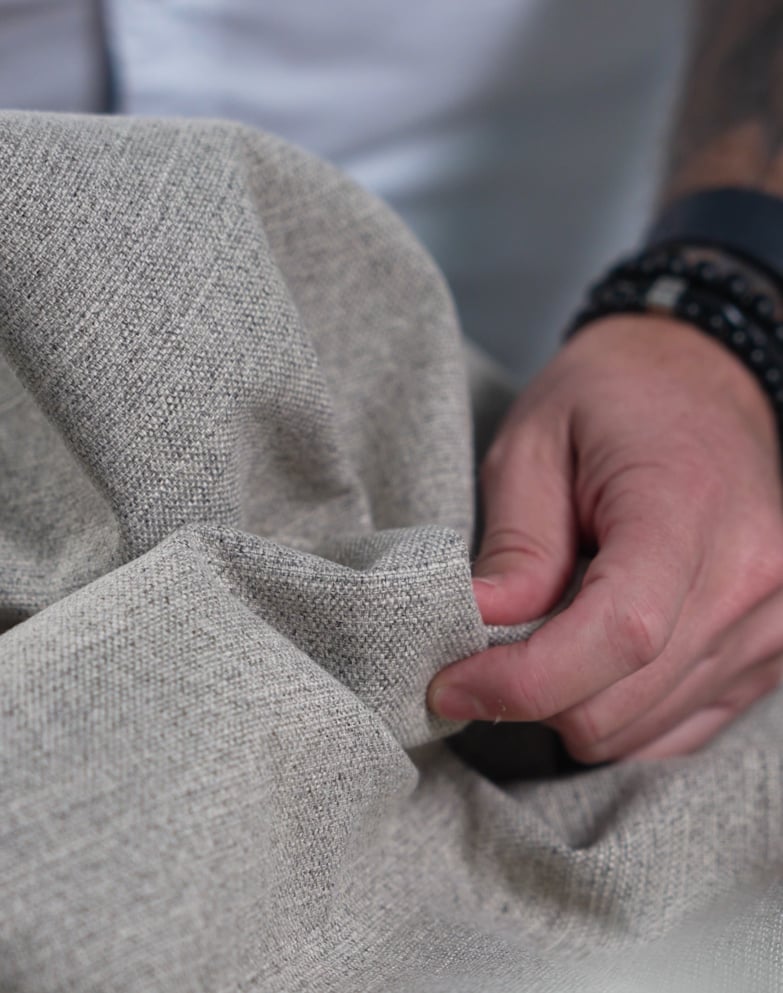
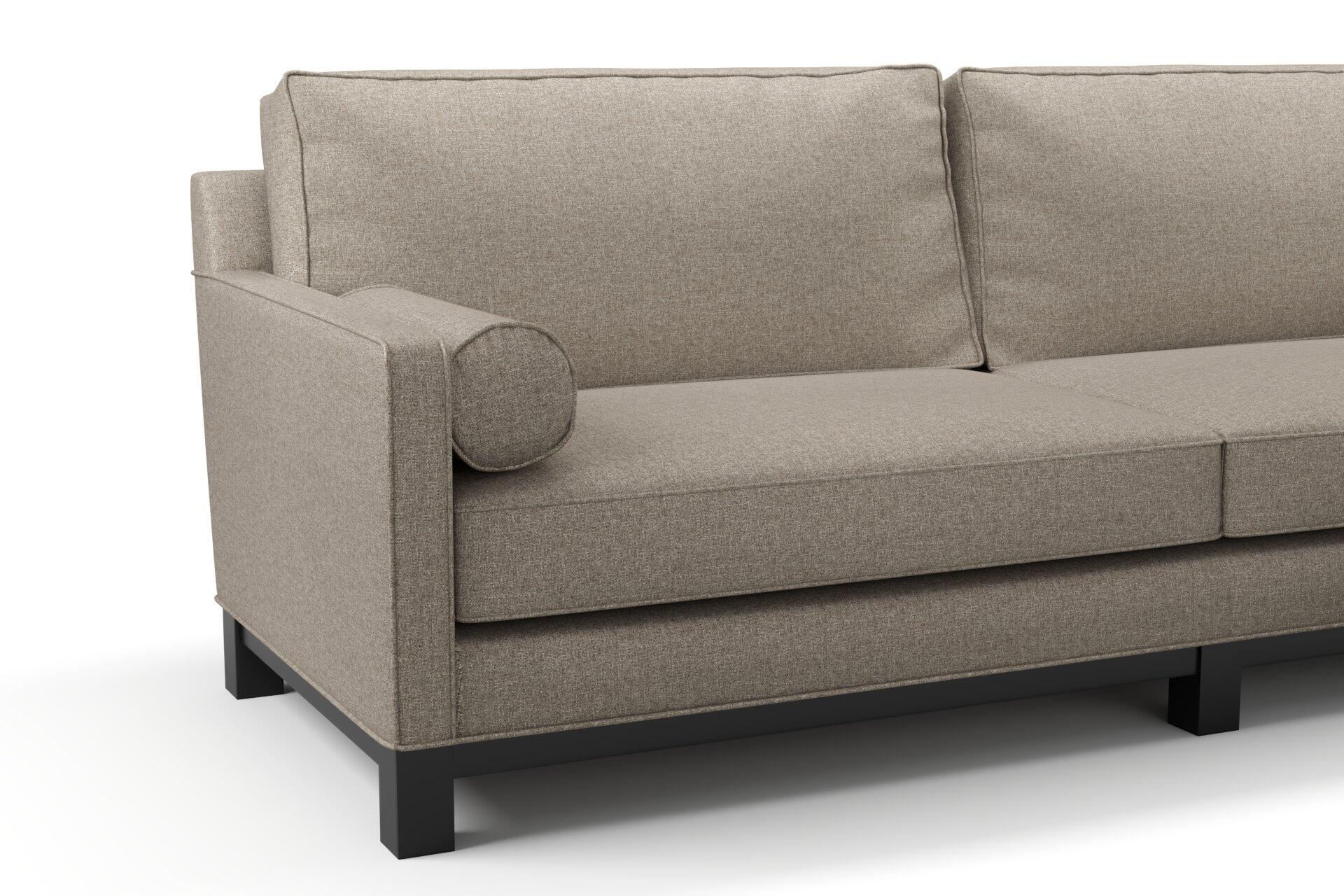
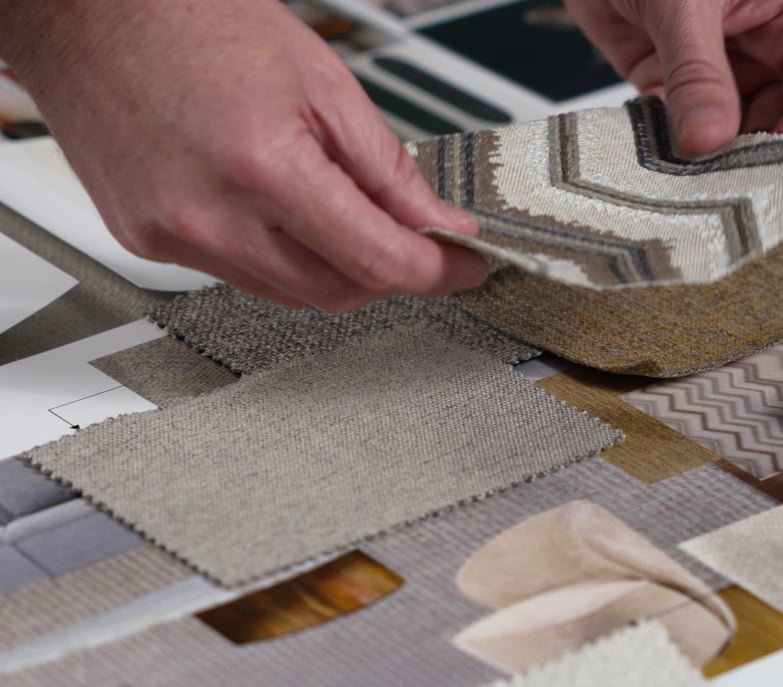
The appeal of budget-friendly upholstery and drapery fabrics is understandable. Everyone wants their home to look stylish without breaking the bank. Interior designers know all too well the challenge of balancing budgets and client requests and, thankfully, Home Fabrics offers a great solution. Dale Dennis from Ground Floor Interiors uses fabrics from Decorator's Choice with built-in stain-resistant technology from FibreGuard. Not only do these fabrics come at a great price point, they're also perfect for achieving a timeless and elegant look.
 
The public and industry professionals come to use as the fabric experts to learn what products can fulfill their vision and we still discover that the cost of a fabric is a major factor of the purchase decision. However, as many people discover, not understanding the challenges of inexpensive fabrics can come with drawbacks that outweigh the initial savings.
01_HF_Article_The hidden cost of fast interiors_Apr2025_Image03

Lack of durability

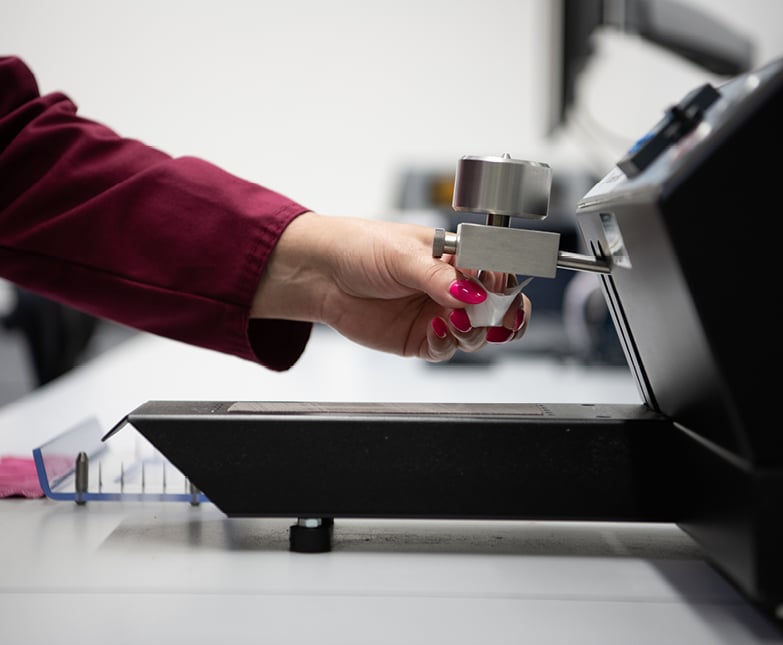
Mass-produced fabrics are typically made with lower-quality fibres, leading to premature wear and tear. Sofas, chairs, and curtains that are in daily use quickly show signs of distress, whether through pilling, fraying, or sagging. This means more frequent replacements, which ultimately cost more over time.
01_HF_Article_The hidden cost of fast interiors_Apr2025_Image04

Fading and discolouration

Ever noticed how some fabrics lose their vibrancy within months? Many lower-cost fabrics are dyed with synthetic, low-quality colourants that fade rapidly, especially when exposed to natural light. This results in dull-looking interiors and the need for early replacements, creating a cycle of waste and expense.
 
Fast interiors contribute significantly to landfill waste. Because they fade or damage much more easily, they are thrown it quite quickly. Additionally, many of these fabrics are produced using high-energy processes that generate pollution and carbon emissions.
01_HF_Article_The hidden cost of fast interiors_Apr2025_Image05

The case for sustainable fabrics

Sustainable furnishing fabrics offer a far better alternative, both in terms of longevity and environmental impact. Here’s why they’re worth the investment:
 

Long-lasting quality

Sustainably made fabrics prioritise quality and durability. Natural fibres such as linen and organic cotton as well as the newer generation of fabrics made from recycled materials are woven to withstand years of use, maintaining their beauty and integrity over time. Many high-quality synthetic blends are also engineered for durability, offering fade resistance and stain-repellent properties without the environmental drawbacks of fast interiors.
 

Eco-friendly manufacturing

Many sustainable fabric producers follow ethical and environmentally responsible manufacturing processes. This includes using low-impact dyes, reducing water consumption, and minimising carbon emissions. Look for fabrics certified by sustainability standards such as OEKO-TEX®, GRS (Global Recycled Standard), or OCS (Organic Content Standardl) for assurance that the fabric meets eco-friendly criteria.
 
Our Decorator’s Choice range of FibreGuard fabrics all carry the STANDARD 100 by OEKO-TEX® certification. Additionally, fabrics within Decorator’s Choice are either OCS or GRS certified, presenting timeless and elegant sustainable fabric choices at a very accessible price point with the added benefit of FibreGuard’s stain-free technology. 
01_HF_Article_The hidden cost of fast interiors_Apr2025_Image06

Reduced waste, less replacement

Because sustainable fabrics are designed to last, they reduce the frequency of replacements, minimising landfill waste. Instead of buying new upholstery or drapes every few years, investing in high-quality, sustainable options means your interiors will look beautiful for much longer.
 
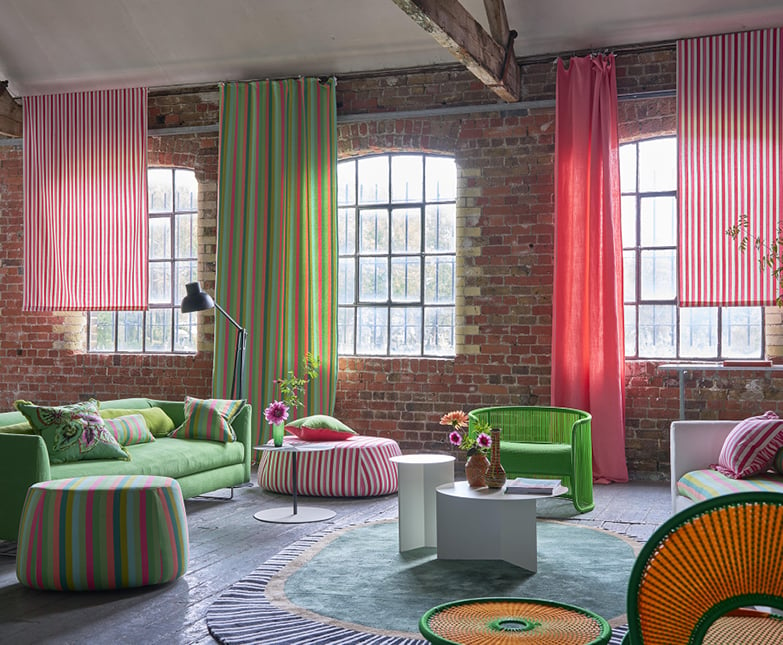
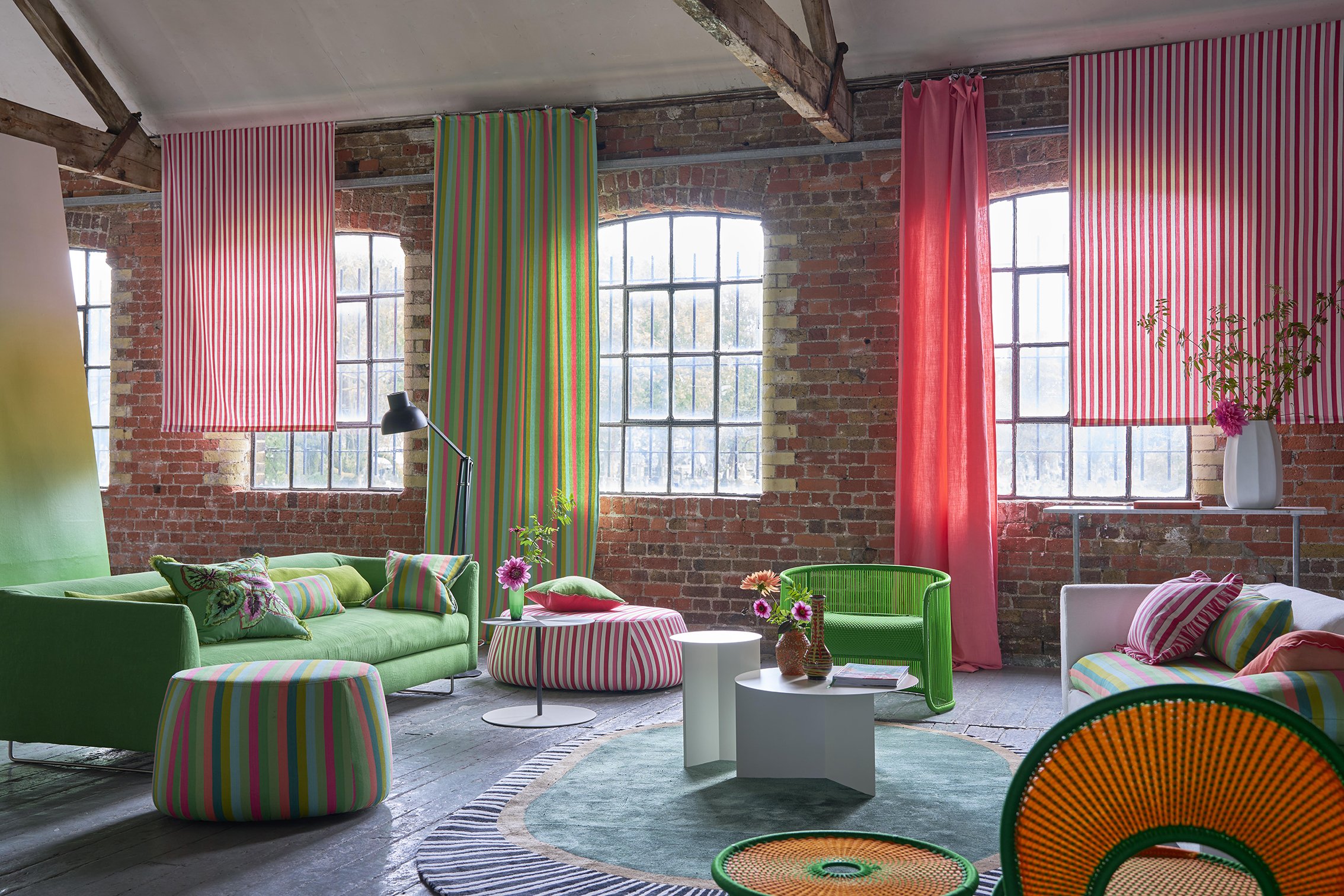
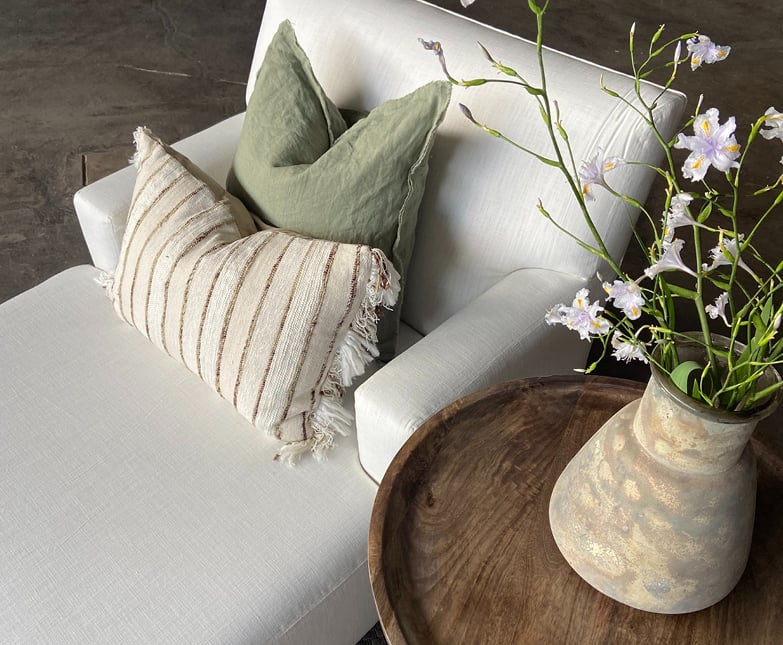
A fabric like Studio Stripes by Designers Guild features five designs, created on traditional looms with pure cotton in a wondrous palette of colours. The design itself is classic and versatile, making it easy to include in any interior style. It’s high-quality creation means you’ll have a beautiful textile in your interiors that will continue to spark joy for many years.
01_HF_Article_The hidden cost of fast interiors_Apr2025_Image07

Dale Dennis from Ground Floor Interiors

The future is sustainable design

Sustainable design takes a holistic approach to minimising environmental impact by focusing on longevity, circularity, and resource efficiency. This means designing products that last longer, using recyclable materials to keep resources in circulation, and reducing material usage to lessen waste. These principles are particularly important in interior design, where fabric choices can have a significant impact on sustainability. By opting for high-quality, eco-friendly fabrics, homeowners and designers can contribute to a more responsible approach to décor—one that values durability and thoughtful material use over fast, disposable trends.
 
At the core of sustainability is the circular economy, where resources are reused, recycled, and regenerated rather than discarded. Fabrics with certifications like the Global Recycled Standard (GRS) embody this philosophy by incorporating recycled materials, preventing textile waste from ending up in landfills. This not only reduces environmental harm but also drives innovation, supports job creation, and fosters a more resilient economy. While sustainable design may require a slightly higher upfront investment, it often pays off in the long run, reducing costs through energy efficiency, stain-resistant materials that require less maintenance, and fabrics that remain in use for longer. Beyond the financial benefits, sustainable choices support ethical labour practices, encourage small business growth, and help preserve the planet for future generations.

Investing in the future of interior design

The move towards sustainable interiors is not just a passing trend - it’s a necessary shift in how we approach home design. By choosing quality over quantity and investing in well-made, environmentally responsible fabrics, we can create spaces that are as beautiful as they are sustainable.

Fast interiors may offer a quick fix, but in the long run, they come at a cost, both financially and environmentally. The true value lies in making choices that stand the test of time, ensuring that our homes remain stylish, comfortable, and kind to the planet.